Naming is hard. The language we use shapes the way we think about things, but also the conversation we have about it. That’s why we have so much confusion about colors, icons, UI components, features — and that’s why we struggle to name design tokens, HTML classes, and variables.
Sometimes, the names we choose are too generic, so it’s difficult to understand what exactly is meant. And sometimes they are too specific, leaving little room for flexibility and reuse. How do we choose the right names? And which naming conventions work best? Let’s take a closer look.
How To Name Things
If you’re looking for some inspiration for naming HTML classes, CSS properties, or JavaScript functions, Classnames is a wonderful resource jam-packed with ideas that get you thinking outside the box.
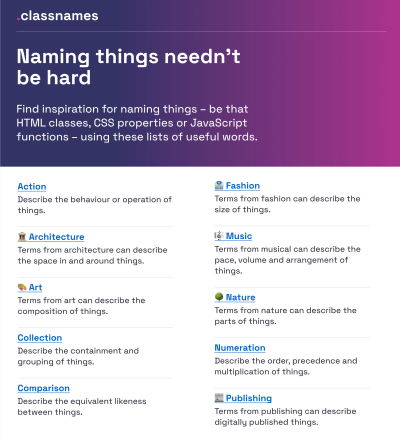
The site provides thematically grouped lists of words perfect for naming. You’ll find terms to describe different kinds of behavior, likeness between things, order, grouping, and association, but also themed collections of words that wouldn’t instantly come to one’s mind when it comes to code, among them words from nature, art, theater, music, architecture, fashion, and publishing.
How To Name Colors
How would you choose the right name for a given color? Fortunately, David Aerne maintains a tremendous repository of color names, currently with 30355 unique color names, sourced from various references and 1000s of user contributions.
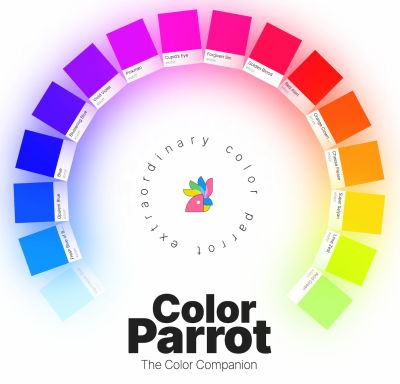
Of course, the repository comes with a color picker and name search and plenty of other color pickers as well. Tremendous work, which is also a fantastic reference to keep nearby.
How To Name Layers and Groups
What makes a good name? Javier Cuello summarized a set of naming best practices that help you name your layers, groups, and components in a consistent and scalable way.
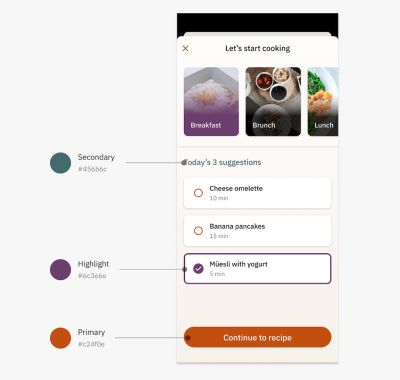
As Javier points out, a good name has a logical structure, is short, meaningful, known by everyone, and not related to visual properties. He shares do’s and don’ts to illustrate how to achieve that and also takes a closer look at all the fine little details you need to consider when naming sizes, colors, groups, layers, and components.
How To Name Design Tokens
How to build a flexible design token taxonomy that works across different products? That was the challenge that the team at Intuit faced. The parent company of products such as Mailchimp, QuickBooks, TurboTax, and Mint developed a flexible token system that goes beyond the brand theme to serve as the foundational system for a wide array of products.
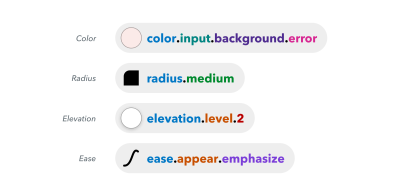
Nate Baldwin wrote a case study in which he shares valuable insights into the making of Intuit’s design token taxonomy. It dives deeper into the pain points of the old taxonomy system, the criteria they defined for the new system, and how it was created. Lots of takeaways for building your own robust and flexible token taxonomy are guaranteed.
Frequent Names For UI Components
Looking at what other people call similar things is a great way to start when you’re struggling with naming. And what better source could there be than other design systems? Before you end up in the design system rabbit hole, Iain Bean did the research for you and created the Component Gallery.
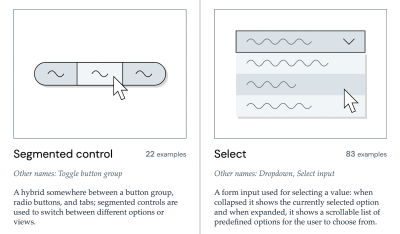
It’s a collection that includes plenty of examples for more than 50 UI components — from accordion to visually hidden — and also lists other names that the UI components go by. A fantastic resource, and not only with regard to naming.
Bonus: Name That UI, a visual dictionary of common UI components.
How To Name New Features
Features often have low adoption due to poor discoverability. Feature adoption needs time — first the feature must be discovered, then understood, then tried, learned, and eventually built into existing workflow. Erin Gannon has written a helpful practical guide on how to make sure all of it happens.
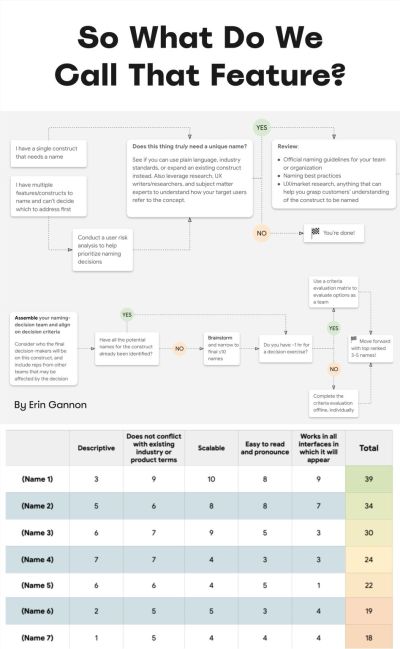
Good names are driven by user needs and problems. They should signal the value or outcome of a feature (the job-to-be-done), and — most importantly! — tap into the user’s own language. So ask people to explain a feature in their own words and then use the words they use.
How To Name Variables (Taxonomy Map)
A wonderful example of naming guidelines for a complex multi-brand, multi-themed design system comes from the Vodafone UK Design System team. Their Variables Taxonomy Map breaks down the anatomy and categorization of a design token into a well-orchestrated system of collections.
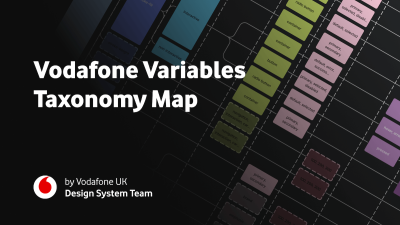
The map illustrates four collections required to support the system and connections between tokens — from brand and primitives to semantics and pages. It builds on top of Nathan Curtis’ work on naming design tokens and enables everyone to gather insight about where a token is used and what it represents, just from its name.
If you want to explore more approaches to naming design tokens, I’ve put together a list of useful Figma kits and resources that are worth checking out.
Design Token Naming Guide + Inventory
Romina Kavcic created a helpful little tool for naming design tokens — from learning how they work and how to name them well to configuring your own naming structure with components, categories, states, and roles.
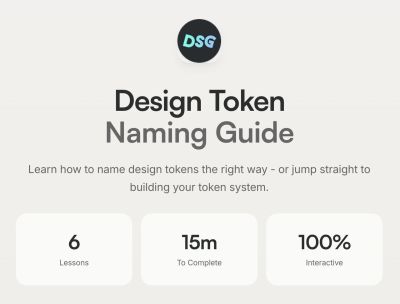
Bonus: The Design Token Names Inventory spreadsheet, with a simple structure with four levels to give you a bird’s-eye view of all your design tokens. You can easily add rows, themes, and modes without losing track, and filter your tokens.
Naming Products or Services
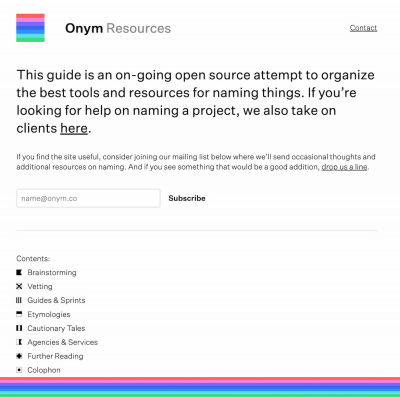
If you are looking for the right name for your product or service, Onym is a fantastic open-source repository that organizes tools and resources for finding names for brainstorming, vetting, guides, sprints, etymologies — all the way to cautionary tales and agencies that name things, as well as useful books to take a look at.
Useful Bookmarks for Naming Things
A quick-reference list of tools and guides for naming just about… well, anything, in one place:
Wrapping Up
The right name is the one that’s well-understood and used by the team and users. So much time is wasted speaking about the very same thing but in different dialects — the designer’s dialect, the developer’s dialect, the product manager’s dialect, and the user’s dialect. That’s what often causes frustration and confusion.
So if you see low adoption, it might be merely because of the name. And pay attention to potential naming conflicts and put them in a backlog of things to address later. It’s one of those fine little details that can reduce frustration and confusion and help teams work together better.
Meet “Design Patterns For AI Interfaces”
Meet Design Patterns For AI Interfaces, Vitaly’s new video course with practical examples from real-life products — with a live UX training happening soon. Jump to a free preview.


(yk)